

Written by Sheriff
Owner, Perth Priority Removals · 14 years local moving experience
Professional packing techniques for glasses, plates, TVs, mirrors, artwork, and electronics. Common mistakes that cause breakage and how to avoid them.
Moving house in the eastern suburbs?
We're based locally and cover the entire inner-east corridor.
Packing fragile items is where most DIY moves go wrong. After unpacking thousands of boxes across Perth, we know exactly what breaks and why - and it's usually preventable.
Want us to handle the breakables? Get a quote for our packing service - we bring all materials and pack to professional standards.
Golden Rules of Packing Fragiles
These five rules prevent 90% of breakage:
- Heavy items in small boxes, light items in larger boxes - If you can't lift it comfortably, it will get dropped
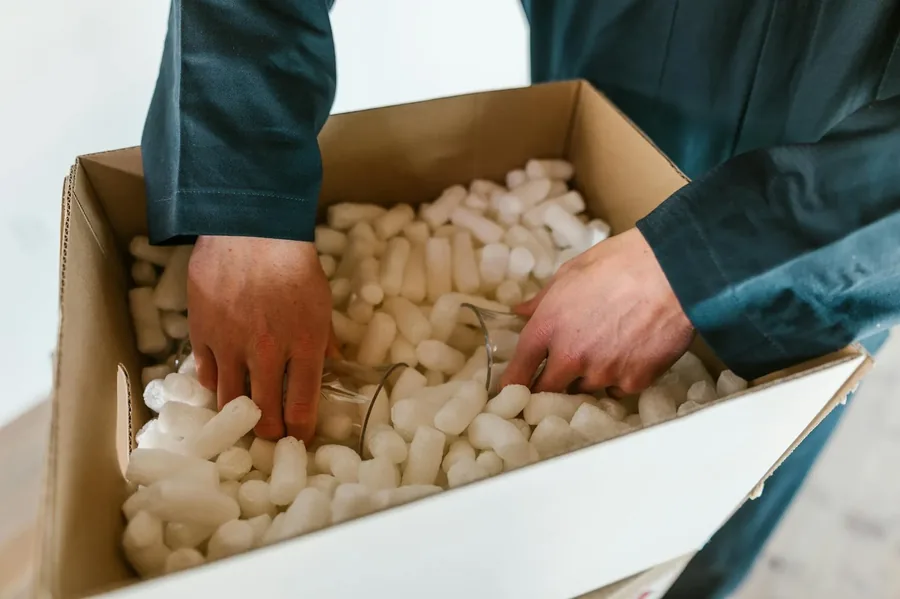
- Wrap items individually, then fill all voids - Nothing should move when you shake the box
- Reinforce box bottoms with H-pattern tape - The bottom seam is the failure point
- Label FRAGILE + THIS SIDE UP + room destination - On multiple sides
- Do the shake test - Gently shake the sealed box. Any rattling = more padding needed
Materials Checklist
Before you start, gather:
- Dish pack boxes (double-walled, stronger than standard)
- Packing paper (not newspaper - ink transfers to items)
- Bubble wrap (for electronics and artwork)
- Packing tape (quality tape, not masking tape)
- Permanent marker (for labelling)
- Cell dividers (for glasses - optional but recommended)
- Foam sheets (for TV screens and mirrors)
Room-by-Room: Kitchen
Glasses and Stemware
Glasses are the most commonly broken item. Here's how professionals pack them:
- Stuff the inside - Ball up paper and fill the glass cavity
- Wrap from the stem - If it has a stem, wrap that first with extra paper
- Two layers minimum - Wrap, fold ends, wrap again
- Store upside down - Glasses are stronger on their rims
- No glass touches another - Paper or dividers between each
Pro tip: Wine glasses are weakest at the stem. Wrap stems with 3-4 layers.
Plates and Bowls
Plates break when stacked flat and dropped. The safer way:
- Wrap each plate individually - Even identical plates
- Stack vertically, like records - Not flat
- Paper between each - Even after individual wrapping
- 5cm crushed paper padding - Top and bottom of box
- Shake test - Nothing should move
Mugs and Ceramics
- Stuff handles and interiors with paper
- Wrap completely, two layers
- Pack in smaller boxes (heavy when full)
Electronics: TVs, Computers, Consoles
TVs and Monitors
Best practice: Transport upright. If you must lay a TV flat briefly (some models allow this for short distances), minimise time, protect the screen face, and never stack anything on top.
If you have the original box: Use it. The custom foam inserts are designed for that specific TV.
If you don't have the original box:
- Get a TV-specific box (we stock these)
- Cover the screen with foam sheet or thick blanket
- Cardboard corner protectors on all four corners
- Secure so it can't tip or slide
Computers and Laptops
- Back up all data before packing
- Remove HDDs from desktop PCs if possible (or pack tower laying down)
- Anti-static bags for loose components
- Photo your cable setup before disconnecting
- Original boxes are best if available
Lithium Batteries (Important for Perth Heat)
Power banks, e-scooters, cordless tools, laptops - these all have lithium batteries.
- Keep lithium battery items with you in your air-conditioned car
- Don't pack in the truck — heat can cause swelling or worse
- Never pack damaged or swollen batteries — dispose of them properly before moving
- Declare valuable electronics to your removalist
Moisture Protection
If moving early morning or on a humid day:
- Wrap electronics in plastic as an outer layer
- Don't wrap plastic directly against screens (condensation)
- Allow electronics to acclimatise before powering on at the new place
Mirrors and Artwork
Mirrors
- Tape an X across the glass - Prevents shattering and holds shards if cracked
- Wrap in bubble wrap - Two layers
- Use a picture/mirror box - Telescopic boxes adjust to size
- Mark "GLASS" and "THIS SIDE UP" - Multiple sides
- Transport upright - On edge, not flat
Artwork
- Glassine paper first - Protects painted surfaces from sticking
- Cardboard corners - On all four corners
- Bubble wrap - Bubble side OUT (bubbles can leave marks on surfaces)
- Custom crating for valuable pieces - Worth the investment for originals
China, Antiques, and Collectibles
Fine China
- Each piece wrapped individually in acid-free paper
- Cell dividers essential for cups and bowls
- Smaller boxes only - don't overload
- Consider insurance valuation before moving
Collectibles
- Original packaging if available
- Custom foam inserts for odd shapes
- Photo documentation for insurance purposes
- Consider professional packing for irreplaceable items
Common Mistakes That Cause Breakage
We see these on almost every DIY move:
| Mistake | Why It Causes Breakage | Fix |
|---|---|---|
| Overloading boxes | Too heavy to lift safely, gets dropped | Weight limit: you should lift it comfortably |
| Not filling voids | Items shift and collide in transit | Shake test - if it rattles, add more padding |
| Single-layer wrapping | One layer isn't enough cushioning | Minimum two layers for fragiles |
| Flat-stacking plates | Drop = all plates break at once | Stack vertically like records |
| Reusing old boxes | Cardboard weakens with each use | New boxes for fragiles |
| Using newspaper | Ink transfers to items | Use clean packing paper |
| Not labelling | "Fragile" box gets a heavy box stacked on top | Label all sides |
Perth-Specific: Heat and Humidity
Perth moves - especially November to March - mean heat, longer drives, and variable humidity.
Heat damage risks:
- Candles and cosmetics — Will melt in a hot truck
- Vinyl records — Warp above 30°C
- Medications — Some need cold chain (carry with you)
- Adhesives — Heat can soften tape and labels
What to do:
- Book an early morning start (before 2pm in summer)
- Pack heat-sensitive items last, unload first
- Transport irreplaceable items in your air-conditioned car
- Don't leave packed boxes in direct sun or closed vehicles
Insurance: What You Need to Know
"Carry insurance documentation" isn't enough. Here's what actually matters:
- Check what's covered under transit insurance vs contents insurance
- Declared value items — High-value items may need separate declaration
- Photo everything before packing - timestamp photos are evidence
- Items packed by owner — Many policies have exclusions for owner-packed goods
- Damaged vs broken — Know the difference for claims
Our insurance: We carry comprehensive transit and public liability insurance. Ask us for a Certificate of Currency if you need it for your own records.
When to Hire Professional Packers
Consider our packing service if:
- You have valuable artwork, antiques, or collectibles
- Time is short and you can't pack properly
- You're not confident packing fragile items
- You want insurance coverage that applies to professionally-packed goods
- You have a lot of glass, china, or electronics
We bring all materials and pack to professional standards. Most 2-3 bedroom homes can be packed in a day.
Quick Reference: Do / Don't
| Do | Don't |
|---|---|
| Wrap each item individually | Assume "it'll be fine" |
| Use proper packing paper | Use newspaper (ink transfers) |
| Fill all voids in boxes | Leave empty space |
| Label FRAGILE on multiple sides | Assume movers will guess |
| Reinforce box bottoms | Trust old tape |
| Keep lithium batteries with you | Pack them in the truck |
| Take photos before packing | Rely on memory for claims |
Frequently Asked Questions
Do removalists provide packing materials?
We supply boxes, paper, bubble wrap, tape, and specialty items like TV boxes and wardrobe cartons. Contact us for materials pricing or add them to your move quote.
Should I pack fragile items myself or hire professionals?
For everyday items, DIY is fine with proper technique. For valuable, antique, or sentimental items, professional packing is worth the cost - and it's usually covered by better insurance.
How do I pack a mirror without a mirror box?
Tape an X across the glass (holds shards if cracked), wrap in blankets or bubble wrap, sandwich between two pieces of cardboard taped together, and transport upright.
What's the best box for dishes?
Dish pack boxes (double-walled) with cell dividers. Don't use regular boxes - they're not strong enough and dishes are heavy.
Can I leave clothes in drawers during a move?
Lightweight clothes in solid drawers are usually fine. Empty dressers and desks - drawers fall out and add weight that can damage the furniture.
How do I protect electronics from Perth heat?
Transport electronics in your air-conditioned car, not the truck. Pack them last, unload first. Allow time to acclimatise before powering on.
Want Us to Pack the Breakables?
We supply all materials and professionally pack glassware, TVs, artwork, antiques, and anything fragile - so it arrives safely and you're covered by our insurance.
See our packing services | Full moving checklist | Read our 138 verified customer reviews

Was this guide helpful?
Thanks for your feedback!
It helps us improve our guides for Perth customers.
Perth Priority Removals
Perth's trusted removal specialists since 2018
You may also need: Perth Priority Removals, Perth rubbish removalists and mattress removal Perth.